

 Global - English
 Brazil - Portuguese
 Thailand - Thai
 Middle East - Arabic
 Vietnam - Vietnamese
 Spain - Spanish
 Colombia - Spanish
 Argentina - Spanish

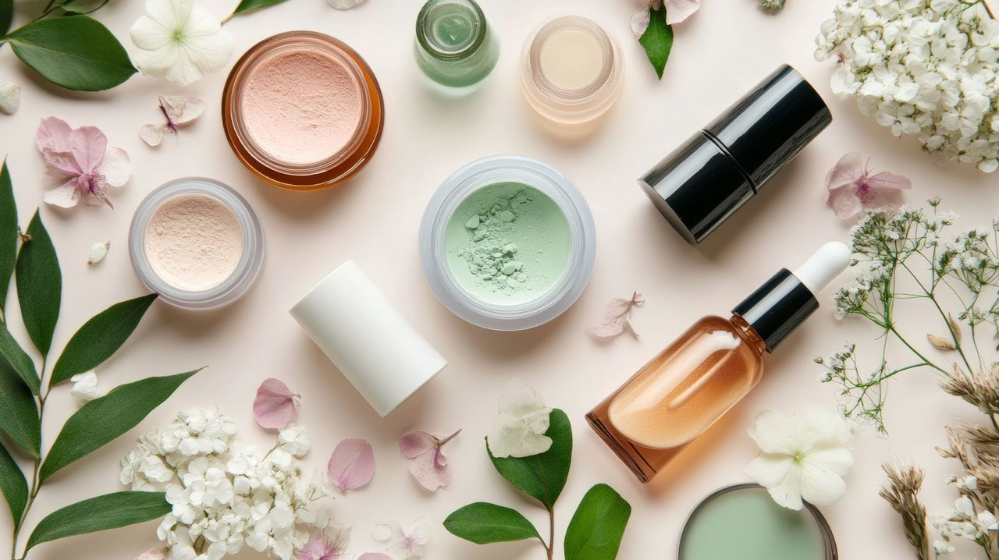
Whether a moisturizer, sunscreen, or foundation, every cosmetic formulation relies on a carefully balanced blend of ingredients. These cosmetic raw materials define not only a product’s appearance and texture but also its performance, stability, and safety. For formulators and cosmetics manufacturers, understanding how each ingredient functions is fundamental to creating effective, compliant, and consumer-loved products.
The modern cosmetics industry blends art and science, bringing together synthetic innovations and natural cosmetic ingredients to achieve targeted results. Whether you’re sourcing cosmetic raw materials, cosmetic pigments, or surfactants for skin-care emulsions, mastering ingredient functionality is what turns an idea into a successful formulation. In this article, we will discuss the essential ingredients used in cosmetic formulations and factors shaping the selection of cosmetic ingredients.
What are Cosmetic Ingredients?
Cosmetic ingredients are chemical or naturally derived substances that form the foundation of personal care and makeup formulations. These ingredients ensure that products are safe, stable, and efficacious, performing consistently across manufacturing batches.
Cosmetic ingredients can broadly be divided into two categories:
- Functional ingredients: These establish a product’s physical properties, such as viscosity, stability, texture, and sensory feel. They are crucial for formulation structure and shelf-life.
- Active ingredients: These provide the intended cosmetic benefit, such as hydration, exfoliation, brightening, or sun protection.
A balanced cosmetic formulation is one where functional ingredients provide a stable base for actives to perform effectively.
Core Functional Ingredients in Cosmetic Formulations
1. Emollients and Oils
Role: Emollients impart smoothness, enhance spreadability, and reduce transepidermal water loss by forming a thin barrier on the skin.
Examples: Caprylic/Capric Triglyceride, Mineral Oil, Dimethicone, Shea Butter.
Formulation note: Emollient choice depends on its polarity and compatibility with emulsifiers. Low-viscosity esters provide a light feel suitable for facial serums, while heavier natural oils add richness to body creams and balms.
Emollients form the backbone of many cosmetic raw materials used in skincare and makeup, influencing how a product feels and performs on application.
2. Humectants
Role: Humectants attract and retain moisture, helping maintain hydration balance in both the formulation and the skin.
Examples: Glycerin, Propylene Glycol, Sorbitol, Hyaluronic Acid.
Formulation note: Humectants are often combined with occlusives or emollients to prevent moisture evaporation. In cosmetic formulations, this combination ensures long-lasting hydration and product pliability.
Humectants are essential cosmetic ingredients in lotions, cleansers, and masks, providing both functional and sensory benefits.
3. Emulsifiers and Surfactants
Role: These stabilize oil-and-water mixtures and enhance cleansing, foaming, or solubilization properties.
Examples: Polysorbate-20, Cetearyl Alcohol, Sodium Laureth Sulfate, Coco-Glucoside.
Formulation note: Proper HLB (Hydrophilic-Lipophilic Balance) selection ensures emulsion stability. In color cosmetics, emulsifiers help evenly disperse cosmetic pigments and dyes for uniform coverage.
Surfactants, a key category of cosmetic raw materials, are also vital in makeup removers, shampoos, and facial cleansers, products that rely on controlled foaming and gentle cleansing action.
4. Thickeners and Rheology Modifiers
Role: These ingredients control viscosity, suspension, and spreadability, giving formulations their desired structure.
Examples: Carbomer, Xanthan Gum, Hydroxyethylcellulose.
Formulation note: Shear-thinning rheology allows products to feel lighter during application while maintaining stability during storage. Choosing the right thickener is critical in gel systems and emulsions to achieve a consistent texture across batches.
5. Preservatives and Antimicrobials
Role: Preservatives prevent microbial growth and maintain product safety during manufacturing, storage, and use.
Examples: Phenoxyethanol, Sodium Benzoate, Potassium Sorbate, Ethylhexylglycerin.
Formulation note: Preservative efficacy is influenced by pH, solubility, and formulation type. The trend toward clean beauty has encouraged the use of globally accepted, broad-spectrum preservatives in lower concentrations.
For any cosmetic raw material distributor, ensuring preservative compatibility and compliance with regulatory frameworks like EU Cosmetics Regulation 1223/2009 and FDA guidelines is essential.
6. Antioxidants
Role: Antioxidants protect oils and active ingredients from oxidation, preserving color, fragrance, and efficacy.
Examples: Tocopherol (Vitamin E), Ascorbyl Palmitate, BHT.
Formulation note: Often used alongside chelating agents like EDTA to prevent metal-ion-catalyzed degradation. In formulations containing natural oils or pigments, antioxidants are indispensable for maintaining product integrity.
7. Colorants, Pigments, and Fragrances
Role: These ingredients enhance a product’s visual and sensory appeal.
Examples: Iron Oxides, Titanium Dioxide, FD&C Dyes, Natural Essential Oils.
Formulation note: Cosmetic colors and pigments must comply with regional safety standards (FDA, EU, BIS). The type of colorant, whether inorganic oxide, cosmetic pigment, or cosmetic dye, determines coverage, opacity, and brightness in makeup raw materials.
Fragrances and essential oils add the finishing touch, making each cosmetic formulation distinct in consumer perception.
Active Ingredients: The Efficacy Drivers
Active ingredients transform a formulation from functional to results-oriented. Their inclusion determines the product’s claims and performance.
-
Vitamins and Bioactives
Common examples include Vitamin C (antioxidant and brightening), Vitamin E (moisturizing), and Niacinamide (barrier support). These actives are among the most researched cosmetic ingredients, known for their stability when properly encapsulated or formulated within controlled pH systems.
-
Acids and Exfoliants
Alpha Hydroxy Acids (AHAs) such as Lactic and Glycolic Acid, Beta Hydroxy Acids (BHAs) like Salicylic Acid, and Polyhydroxy Acids (PHAs) like Gluconolactone are staples of advanced skin-renewal formulations.
They remove dead cells, promote radiance, and improve absorption of subsequent actives, critical for product layering in modern skin-care regimens.
-
Peptides and Botanical Extracts
Peptides such as Palmitoyl Pentapeptide-4 stimulate collagen synthesis, while botanicals like Centella Asiatica or Green Tea Extract provide antioxidant and soothing properties.
The growing shift toward natural cosmetic ingredients has led to an increased reliance on plant-based actives standardized for bioactive content.
Formulation note: pH adjustment, encapsulation, and compatibility with preservatives are key to ensuring stability and efficacy of active systems.
Ingredient Interactions and Compatibility
The success of a cosmetic formulation depends heavily on how ingredients interact. A stable emulsion, for instance, requires balanced polarity, appropriate emulsifier ratios, and controlled pH.
- pH balance: Maintaining the correct pH preserves emulsion stability and prevents phase separation.
- Charge interactions: Cationic and anionic ingredients may neutralize or destabilize one another; compatibility testing is essential.
- Solubility considerations: Actives must be distributed in the correct phase (oil, water, or silicone) to ensure uniform performance.
- Common incompatibilities: Examples include combining acids with certain polymers, or using metal-sensitive actives without chelators.
Understanding these relationships enables formulators to build efficient, reproducible systems using diverse cosmetic raw materials.
Factors Shaping Cosmetic Ingredient Selection
Selecting the right cosmetic raw materials today involves more than just performance testing. Buyers and formulators must evaluate compliance documentation, traceability, and sustainability credentials before a material can enter production. Technical data sheets, regulatory certifications, and transparent sourcing records are now non-negotiable. In this evolving environment, ingredient choice directly impacts a brand’s safety profile, market readiness, and consumer confidence.
- Sustainability: The cosmetic formulation landscape is shifting toward bio-based and biodegradable materials. Brands increasingly favor renewable emollients, natural emulsifiers, and low-impact preservatives. A natural cosmetic ingredient not only aligns with clean-beauty standards but also enhances consumer trust.
- Safety and Transparency: Today’s manufacturers and formulators demand complete ingredient traceability and performance data. Regulatory compliance, safety dossiers, and transparent labeling have become essential in selecting suppliers and cosmetic raw material distributors.
- Formulation Innovation:Technologies such as encapsulation, liposomal delivery, and nanodispersion are improving active-delivery efficiency. Biotech-derived actives, such as fermented extracts, enzymes, and peptides, are driving the next generation of high-performance formulations.
Formulate with Confidence: Partner with Molkem for Reliable Cosmetic Raw Materials
Cosmetic science continues to evolve, blending innovation with functionality. Whether working with natural cosmetic ingredients or advanced synthetic compounds, formulators rely on the precise behavior of each raw material to achieve desired results. From emulsifiers that stabilize to pigments that beautify, every ingredient plays a critical role in the success of a formulation.
At Molkem, we deliver a comprehensive range of cosmetic raw materials and color solutions, including organic and inorganic pigments, all manufactured in accordance with international quality and environmental standards. Our robust supply chain ensures timely, reliable deliveries worldwide. Contact our team today to learn how Molkem can support your projects with consistent, high-performance pigments. Contact us at +91 7961202500 or email hello@molkem.com to get started.