

 Global - English
 Brazil - Portuguese
 Thailand - Thai
 Middle East - Arabic
 Vietnam - Vietnamese
 Spain - Spanish
 Colombia - Spanish
 Argentina - Spanish
Primary (surface) driers
The active oxidation catalysts. They work at the film surface, taking the coating to a tack-free state quickly. Cobalt is the most effective at ambient temperature.

Metal Carboxylate Driers
Molkem offers a range of high-quality Metal Carboxylate Paint Driers designed to enhance and control the drying performance of paints, coatings, inks, varnishes and related applications.
Our Paint Driers deliver consistent quality, excellent solubility and reliable performance in various coating systems. These products act as catalysts to accelerate the oxidative drying process and help achieve improved surface drying, through-drying, hardness, gloss and overall coating performance.
The drying mechanism
Alkyd and other oil-based coatings do not dry by solvent evaporation alone. Once the solvent has left, the film takes up oxygen from the air, forms peroxides, and those peroxides decompose into free radicals that cross-link the binder into a solid. Left to itself that reaction takes months. A paint drier is a metal carboxylate catalyst that brings it down to hours.
The applied film loses its solvent and the binder concentrates. This is physical drying — nothing has cross-linked yet, and the film is still soft.
Unsaturated sites in the binder react with atmospheric oxygen and form peroxides. The metal ion in the drier catalyses their decomposition into free radicals.
Those radicals link the binder chains into a high-molecular-weight network. The film hardens, develops gloss and reaches its final mechanical properties.
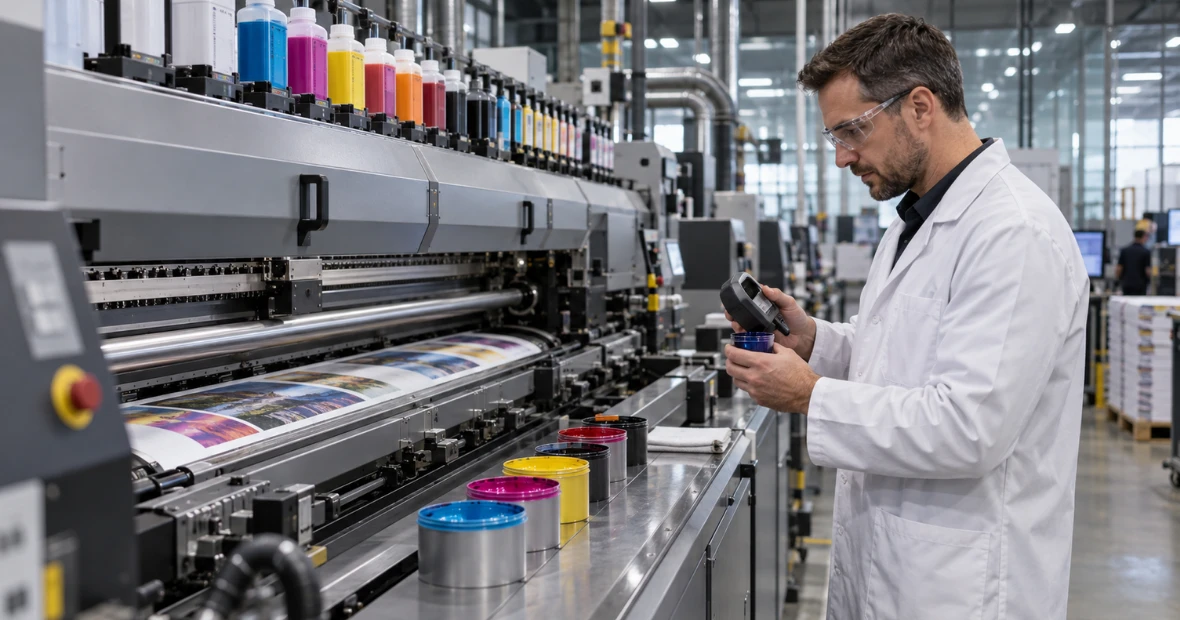
The metal ion does the catalytic work, so the metals you select — and, more importantly, the combination you balance them in — decide whether a film skins over quickly, hardens all the way down to the substrate, holds its gloss, or wrinkles. That is why almost every production formulation uses more than one drier.
Classification
Driers are grouped by what they do to the film rather than by chemistry alone. A working drier package normally draws on all three groups.
The active oxidation catalysts. They work at the film surface, taking the coating to a tack-free state quickly. Cobalt is the most effective at ambient temperature.
These carry cross-linking down through the depth of the film so it hardens to the substrate rather than only on top. They are also the usual route to replacing lead.
Little drying activity on their own, but they control skinning, sinking, blooming and pigment settling, wet and disperse pigment, and support hardness and gloss.
A primary, a through drier and an auxiliary supplied as one balanced product, so the plant doses a single addition instead of three and dosing error is reduced.
Product range
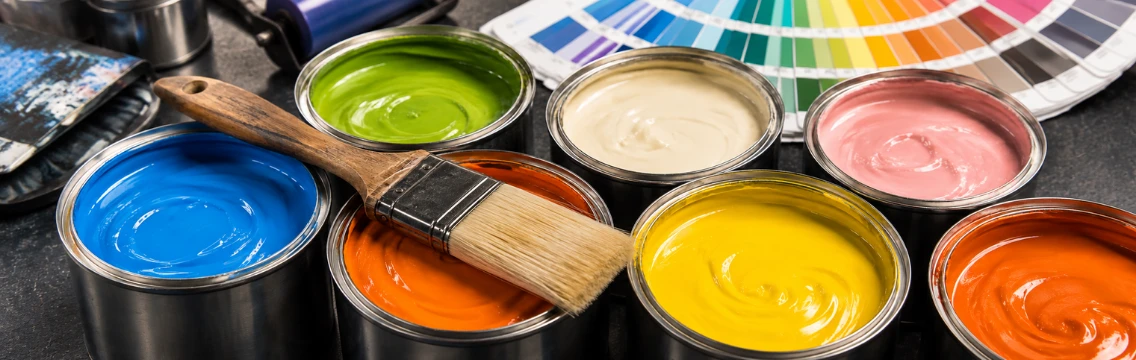
Sixteen drier metals, supplied as metal carboxylates in a choice of metal concentrations. The table below sets out what each one contributes to a coating, ink or resin system.
| Metal | Symbol | What it does in the system |
|---|---|---|
| Cobalt | Co | The most effective oxidative catalyst at ambient temperature and the standard primary drier, giving fast surface drying of the film. Also effective as an accelerator for peroxide-initiated polyesters and epoxies. |
| Zirconium | Zr | Improves the through-drying of auto-oxidative systems. Normally used in combination with cobalt and calcium carboxylates, and preferentially used as a replacement for lead. Also used as a polymerisation catalyst. |
| Manganese | Mn | Improves surface drying of the paint film and contributes some through-drying. Frequently used as a polymerisation accelerator in baking finishes and low-temperature drying systems. |
| Calcium | Ca | Minimal drying effectiveness on its own, but very useful alongside active driers such as cobalt and manganese. Improves hardness and gloss, reduces skin formation, sinking and blooming, and acts as a pigment wetting and dispersing agent and a loss-of-dry inhibitor. Not recommended for coatings that dry under adverse conditions. |
| Zinc | Zn | Shows anti-oxidant properties. Used to retard the thermal breakdown of lubricating oils and greases, and — alone or with calcium or barium — to stabilise PVC against in-process heat degradation. Keeps auto-oxidative films open so they harden throughout, and is an effective wetting and pigment-dispersing agent that helps inhibit mildew formation in coatings. |
| Lead | Pb | One of the auxiliary driers, also known as a through drier. Promotes hard through-drying across the film or media and promotes flexibility. Used in combination with cobalt and calcium octoates in paints, floor finishes and baking enamels. Lead octoate is also used with manganese drier to promote toughness and hardness in media, particularly where drying is required at low temperatures. |
| Cerium (rare earth) | Ce | Promotes the polymerisation and through-drying processes. Particularly recommended for baking enamels and for white and clear overprint varnishes, because it produces less discoloration than other active metals. |
| Strontium | Sr | Improves through-drying under adverse conditions such as high humidity and low temperature. |
| Stannous | Sn | Widely used as a polymerisation catalyst for urethane foam and transformer oil, and as a vulcanising and curing agent. |
| Barium | Ba | Used extensively as a stabiliser for PVC and copolymers against light and heat. Its low viscosity also makes it useful as a curing agent. |
| Potassium | K | Works synergistically with cobalt in unsaturated polyester thermoset systems. |
| Copper | Cu | Catalytically active in polyester and epoxy systems. Reduces the reaction exotherm, improves shelf stability and tends to produce more consistent polymers. Also used for fungicidal coating applications. |
| Iron | Fe | Used in baking finishes, where it promotes effective and prompt drying by polymerisation. With pronounced activity at elevated temperatures, it is an excellent wetting agent for carbon black and iron oxide, prevents adsorption of driers on pigment surfaces and increases gloss. In air-dry finishes it is useful for eliminating film tackiness in paints containing a high percentage of non-drying oil components such as fish oil. |
| Cadmium | Cd | Used as a PVC stabiliser and for curing, with or without barium and zinc octoate. Provides excellent stability and effectiveness under varied atmospheric conditions. |
| Bismuth | Bi | Used as a substitute for lead. Strongly activates cobalt and improves through-drying properties as well as drying under adverse weather conditions. Also used in baking finishes to improve hardness. |
| Lithium | Li | Promotes through-drying. Often used in high-solids coatings and water-dispersible alkyds, and does not lose effectiveness in cool environments. |
Swipe the table sideways to see every column.
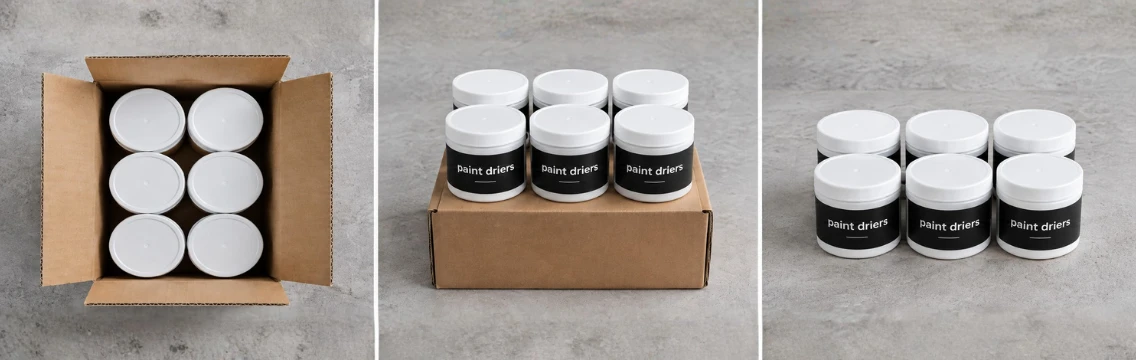
Every drier in the range is available in different metal concentrations and can be supplied to customer-specified specifications — so an existing formulation can usually be matched without reworking the dosing. Consignments are supplied with a certificate of analysis, technical data sheet and safety data sheet.
Building the package
No single metal does everything, and swapping one drier for another is rarely a one-for-one substitution. Most formulations balance a primary drier for surface dry, a through drier for depth of cure, and an auxiliary drier to hold gloss and keep the system stable in the can. The starting points below are the combinations formulators ask us about most often.

Cobalt + zirconium + calcium
The classic package. Cobalt takes the surface tack-free, zirconium carries the cure through the film, and calcium holds gloss and hardness while reducing skinning, sinking and loss of dry.
Zirconium, or bismuth with cobalt
Zirconium is the standard preferential replacement for lead in auto-oxidative systems. Where more through-dry is needed, bismuth substitutes for lead and strongly activates cobalt, including under adverse weather conditions.
Manganese, supported by through driers
Manganese takes over surface drying and adds some through-dry, and it doubles as a polymerisation accelerator in baking and low-temperature systems. Pair it with zirconium, bismuth or lithium to recover depth of cure.
Strontium or lithium
Strontium improves through-drying under high humidity and low temperature. Lithium keeps working in cool environments and suits high-solids coatings and water-dispersible alkyds. Avoid relying on calcium here.
Cerium
Cerium promotes polymerisation and through-drying while discolouring less than other active metals, which is why it is recommended for baking enamels and for white and clear overprint varnishes.
Cobalt, potassium or copper
Cobalt accelerates peroxide-initiated polyesters and epoxies, potassium works synergistically with cobalt in thermoset polyester, and copper reduces the reaction exotherm and improves shelf stability for more consistent polymers.
Confirm solubility and clarity in your own solvent and binder, then watch loss of dry across shelf life, skinning in a part-used container, and yellowing on whites. Because driers are dosed on metal content rather than on product weight, the assayed metal percentage is what has to stay constant from consignment to consignment — a drift there moves your drying time even when nothing else in the formulation has changed.
Tell us your binder system, film build and drying targets and our technical team can recommend a starting combination and the concentrations to trial.
Where they are used
Molkem paint driers are used across solvent-based coating systems and, in several cases, well beyond coatings.

The full Molkem paint driers brochure lists the available metal concentrations and typical specifications for each drier in the range.
Questions we get asked
Paint driers, also called siccatives, are metal carboxylate catalysts added in small percentages to solvent-based paints, alkyd coatings, varnishes and printing inks. They accelerate the oxidative drying process, so a film that would otherwise take months to harden becomes tack-free and fully cured in hours.
After the solvent has evaporated, unsaturated sites in the binder absorb oxygen from the air and form peroxides. The metal ion in the drier catalyses the decomposition of those peroxides into free radicals, and the radicals cross-link the binder into a high-molecular-weight network. That cross-linking is what gives the film its hardness, gloss and final mechanical properties.
A surface drier — a primary or active drier such as cobalt or manganese — catalyses oxidation at the top of the film, so the coating goes tack-free quickly. A through drier such as zirconium, bismuth, lithium, strontium or cerium carries cross-linking down through the depth of the film so it hardens to the substrate. Relying on a surface drier alone can leave a film that feels dry but is still soft underneath.
There is no single best drier, because each metal does a different job. Most air-dry alkyd formulations use a combination of cobalt for surface dry, zirconium for through-dry and calcium as the auxiliary drier that improves hardness and gloss and reduces skinning, sinking and loss of dry. The right ratio depends on your binder, film build, pigmentation and the conditions the coating has to dry in.
Yes. Zirconium carboxylates are preferentially used as replacements for lead in auto-oxidative drying systems, and bismuth is also used as a lead substitute — it strongly activates cobalt, improves through-drying and helps drying under adverse weather conditions. Both are supplied in the Molkem paint drier range.
Molkem driers are available in a range of metal concentrations, since driers are dosed on metal content rather than on product weight. The brochure lists the standard concentrations for each metal, and non-standard concentrations can be supplied on request so that an existing formulation can be matched without reworking the dosing.
Yes. Driers are available in different metal concentrations and to customer-specified specifications, including combination driers supplied pre-balanced so that the plant makes a single addition instead of dosing three separate products.
Send us the metals and concentrations you need, your binder system and your approximate annual requirement, and we will come back with a quotation. Trial quantities can be arranged for qualification work. Use the enquiry form, call +91 79612 02500 or email hello@molkem.com.
Get in touch
Tell us which drier metals and metal concentrations you need — or just describe the coating system and the drying performance you are trying to hit — and the Molkem team will recommend a combination and quote against your requirement.
hello@molkem.com Molkem — Specialty & Fine Chemicals, Ahmedabad, India