Global - English
 Brazil - Portuguese
 Thailand - Thai
 Middle East - Arabic
 Vietnam - Vietnamese
 Spain - Spanish
 Colombia - Spanish
 Argentina - Spanish

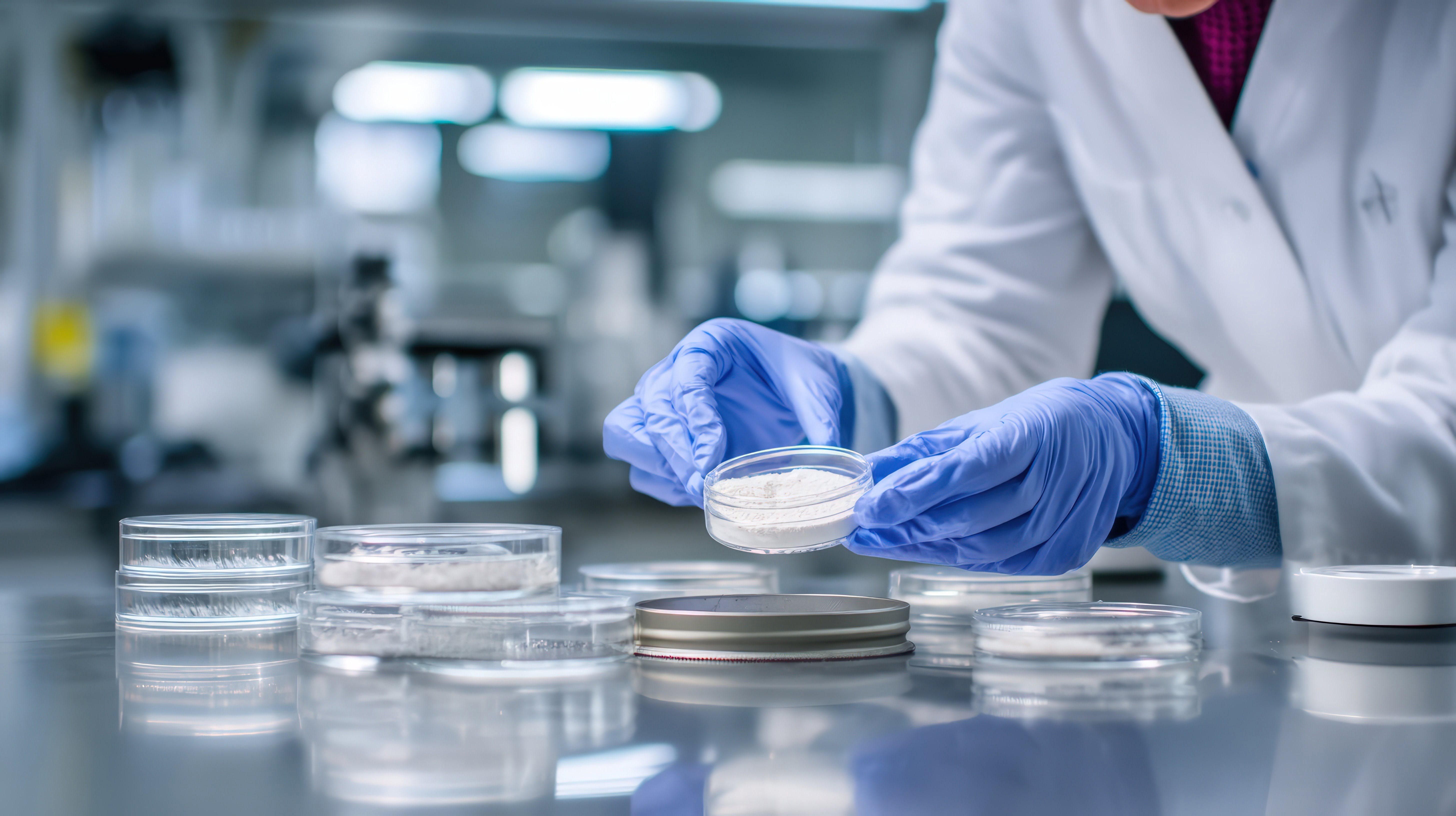
Animal nutrition has entered a phase of quiet modernization. Rather than dramatic changes in feed formats, progress is increasingly driven by ingredient innovation that improves digestion, health, and performance across species. One such ingredient reshaping animal feed formulations is protein hydrolysates.
Known for their enhanced bioavailability and rapid absorption, protein hydrolysates are produced by breaking down intact proteins into smaller peptides and free amino acids. This transformation allows animals to access essential nutrients more efficiently, particularly during periods of growth, stress, or high metabolic demand. Today, protein hydrolysates are widely used across livestock, aquaculture, and pet nutrition, and they are increasingly viewed as a functional upgrade over conventional protein sources. This article explores what protein hydrolysates are, where regular animal feed falls short, how hydrolysed peptides improve feed performance, common applications across animal life stages, sourcing considerations.
What are Protein Hydrolysates?
Protein hydrolysates are proteins that have been partially or fully broken down through enzymatic or chemical hydrolysis. This process cleaves long protein chains into hydrolysed peptides and free amino acids, reducing molecular size while preserving nutritional value.
Unlike intact proteins, which require extensive digestion in the gastrointestinal tract, protein hydrolysates are easier to absorb and utilize. This makes them especially valuable in animal feed formulations where digestive efficiency, gut health, and nutrient uptake directly influence growth rates, immunity, and feed conversion ratios.
While the concept of hydrolysed protein has long been used in clinical nutrition and sports supplements, its application in animal feed has expanded rapidly. Today, protein hydrolysates are used not only to meet basic protein requirements but also to deliver functional benefits across different species and life stages.
Limitations of Conventional Animal Feed
Traditional animal feed relies heavily on intact protein sources such as soybean meal, fish meal, or whole plant proteins. While these ingredients provide essential amino acids, their protein structures remain complex, requiring significant digestive effort before nutrients become bioavailable.
Some common limitations of conventional feed proteins include:
- Incomplete digestion, especially in young or stressed animals
- Lower bioavailability, leading to nutrient loss
- Gut irritation or intolerance in sensitive animals
- Inconsistent nutrient utilization under high-performance conditions
These challenges are particularly evident in early-life nutrition, during illness, or in high-output systems such as poultry production, aquaculture, and intensive livestock farming. Protein hydrolysates help address these gaps by delivering protein in a form that is easier to digest and absorb.
How Do Protein Hydrolysates Improve Animal Feed?
Protein hydrolysates contribute to animal nutrition in several measurable ways.
- Increased Absorption: Hydrolysed peptides are absorbed more rapidly than intact proteins. This allows animals to access amino acids quickly, supporting growth and metabolic efficiency.
- Improved Digestibility: Because hydrolysis reduces protein complexity, less digestive effort is required. This is particularly beneficial for young animals with underdeveloped digestive systems.
- Support for Immune Function: Certain bioactive peptides found in protein hydrolysates are associated with immune modulation, helping animals better respond to environmental and physiological stressors.
- Enhanced Nutrient Utilization: Improved absorption translates into better use of other nutrients in the diet, including minerals and vitamins.
- Improved Palatability: Many hydrolysed proteins enhance taste and aroma, making feed more appealing and encouraging consistent intake.
- Increased Feed Intake: Better palatability and digestibility often result in higher voluntary feed consumption, especially during recovery or growth phases.
- Minimized Stress: By easing digestive load and improving nutrient availability, protein hydrolysates help reduce metabolic stress, particularly during weaning, transport, or environmental changes.
Common Applications of Protein Hydrolysates in Animal Feed
Protein hydrolysates are used across a wide range of nutritional strategies.
- Early-Life Nutrition: Young animals benefit significantly from hydrolysed proteins due to their limited digestive capacity. Protein hydrolysates support early growth, gut development, and immune resilience.
- Performance Optimization: In high-performance systems, such as broiler poultry or aquaculture, protein hydrolysates help improve feed efficiency and weight gain.
- Health and Wellness: Hydrolysed peptides are often incorporated into diets designed to support recovery, gut health, and immune function.
- Specialty Diets: Protein hydrolysates are commonly used in hypoallergenic or sensitive formulations, particularly in pet nutrition and specialty livestock diets.
Common Sources of Protein Hydrolysates for Animal Feed
Protein hydrolysates can be derived from both animal and plant sources, each offering distinct nutritional profiles.
- Whey protein hydrolysate – Highly digestible, rich in essential amino acids
- Soy protein hydrolysate – Plant-based option with good amino acid balance
- Fish meal hydrolysate – Widely used in aquaculture for palatability and growth
- Bone meal hydrolysate – Provides protein and mineral support
- Poultry by-product hydrolysate – Cost-effective and nutrient-dense
- Pea protein hydrolysate – Suitable for plant-forward formulations
- Casein hydrolysate – Slow-release amino acid profile
- Algal protein hydrolysate – Emerging source with sustainability potential
These sources are suitable for a wide range of animals, including poultry, equine, swine, pets, cattle, ruminants, and aquaculture species.
How Protein Hydrolysates Are Used in Finished Animal Feed Products
Protein hydrolysates are incorporated into finished feed products where their functional benefits can be fully utilized. Their versatility allows manufacturers to include them across multiple feed formats, depending on species, life stage, and nutritional goals.
- Compound Feeds and Complete Diets: Protein hydrolysates are commonly blended into compound feeds for poultry, swine, cattle, aquaculture, and pets. In these formulations, they help improve protein digestibility and nutrient uptake without increasing overall protein load. This supports better feed efficiency while maintaining balanced nutrition.
- Starter and Weaning Feeds: Young animals have developing digestive systems and benefit greatly from easily digestible protein sources. Protein hydrolysates are widely used in starter and weaning feeds such as chick starters, piglet feeds, calf starters, and early-stage aquaculture diets. Their rapid absorption helps support early growth, gut development, and smoother transitions during weaning.
- Functional Premixes and Concentrates: Manufacturers often include protein hydrolysates in functional premixes designed to support immunity, gut health, or performance. These premixes allow precise dosing of hydrolysed peptides alongside vitamins, minerals, and other functional ingredients.
- Liquid Feed Supplements and Top-Dress Applications: Because protein hydrolysates dissolve easily, they are well suited for liquid feed supplements. They can be administered through drinking water systems or applied as top-dress additives on finished feed, offering flexibility in feeding programs.
- Specialty and Veterinary Diets: In pet nutrition and specialty livestock feeds, protein hydrolysates are used in formulations developed for sensitive digestion, recovery, or therapeutic support. Their reduced allergenic potential and high digestibility make them suitable for animals with specific dietary needs.
What to Check When Sourcing Protein Hydrolysates
Not all protein hydrolysates deliver the same nutritional or functional value. Selecting the right supplier is critical.
- Degree of Hydrolysis: This determines peptide size and digestibility. The optimal degree depends on the target species and application.
- Amino Acid Profile: A balanced and consistent amino acid composition is essential for predictable performance.
- Raw Material Traceability: Reliable sourcing ensures safety, consistency, and regulatory compliance.
- Manufacturing Process: Controlled enzymatic hydrolysis typically produces more uniform hydrolysed peptides than chemical methods.
- Quality and Safety Standards: Look for suppliers that adhere to GMP, HACCP, and relevant feed safety regulations.
- Application-Specific Expertise: An experienced protein hydrolysates distributor should be able to recommend formulations suited to animal type, life stage, and performance goals.
Protein Hydrolysates Beyond Animal Feed
While this article focuses on animal nutrition, protein hydrolysates are also widely used in food & nutraceutical supplement applications for human consumption. In these segments, hydrolysed proteins are valued for fast absorption and functional benefits, often marketed as the best hydrolysed protein options for clinical or sports nutrition.
This crossover highlights the versatility of hydrolysed peptides and the importance of quality control across all applications.
Partner with Molkem Chemicals
As demand for functional feed ingredients continues to grow, sourcing reliable, high-quality protein hydrolysates becomes increasingly important. Molkem Chemicals works with manufacturers across food and nutraceutical segments to support consistent supply, quality-focused sourcing, and application-specific requirements. To explore sourcing options or discuss your formulation needs, contact Molkem Chemicals at +91 7961202500 or email: hello@molkem.com.